Waste management, tracked load by load
Material flows and their documented destination — segregation planned into the demolition sequence, every load traceable back to a named carrier and receiving facility.
Segregation · routes · records · reconciliation

























Overview
Different from site clearance and from C&D recycling engineering
Waste management controls material flows and their documented destination. Site clearance controls the physical final condition of the plot — a site can look visually clear while waste records remain incomplete, or vice versa.
Depending on the project, the package can include a pre-demolition waste forecast, a responsibility matrix, a source-segregation plan linked to the demolition sequence, container and loading-zone planning, coordination with authorised carriers and facilities, load registers and weighbridge evidence, scrap registers with agreed ownership, and a final reconciliation pack. This page owns segregation, transport routes and reporting — crushing, screening and recycled-aggregate production belong to a dedicated C&D recycling scope.
Project rule
Don't rely on a generic phrase like "Dubai Municipality approved disposal." Identify the actual waste stream, carrier, vehicle, receiving route and evidence required for the specific project.
Request a demolition quote
Use this form layout on the live page to qualify leads before a call.
Shared by default — named per step to close the gap
Appointing a carrier doesn't automatically transfer every legal or contractual obligation away from the owner, main contractor or waste producer.
Defines contractual objectives, nominated facilities, reporting requirements and scrap ownership where applicable.
Confirms waste source and classification responsibility and the applicable records.
Implements segregation, site controls, loading, inspections and agreed registers.
Provides the authorised transport service for the accepted waste stream and route.
Confirms acceptance and issues the applicable weighbridge, receipt or receiving evidence.
Reviews contractual environmental deliverables, records and close-out where required.
The first figure sizes the logistics — it isn't the final truth
Forecasts come from drawings, measured volumes, take-offs and density assumptions — their purpose is sizing the logistics system, not manufacturing a final recycling claim.
Stream
Concrete / masonry
Steel / reinforcement
Timber / joinery
Gypsum / mixed finishes
Glass / aluminium / metals
Hazardous / suspect
Seven questions before a load leaves the project
If one answer is unknown, the load isn't treated as closed simply because the truck left the gate.
1–3: Classification & carrier
4–5: Route & destination
6–7: Evidence & reconciliation
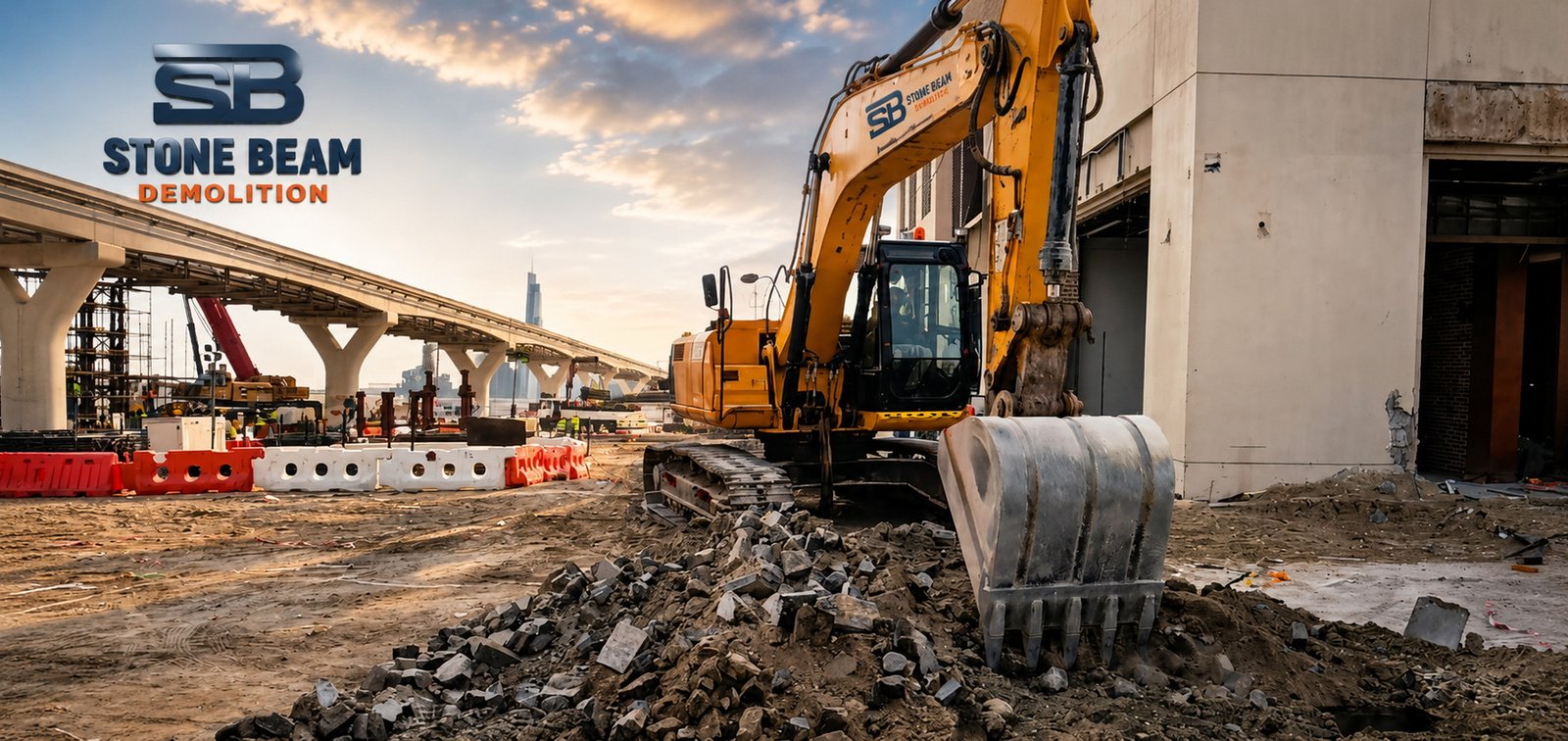
A rejected load needs a protocol, not a workaround
A facility can reject a load for contamination, incorrect classification, unsuitable packaging or paperwork gaps.
Rejected-load protocol
Keep the load under controlled custody — never redirect informally. Record the reason, confirm re-sorting or a different authorised destination, update the register so the failed trip isn't counted as successful recycling, and close the record only once receiving evidence from the final route arrives.
Streams, routes and segregation — not one skip rate
A compact urban plot needing timed skip exchanges is a different logistics problem from an open industrial site with room for stockpiles.
Waste quantity & mix
Segregation feasibility
Transport distance & route
Hazardous streams
Scrap commercial terms
Reporting requirement
Not a fixed rate
An itemised, project-specific quotation reflects the confirmed streams, segregation plan and reporting requirement.
An engineered service, not equipment for hir
The method is selected after reviewing the structure, access, and risk — not chosen because it's the tool on the truck that day.
The method, sequence and controls are confirmed from the actual site condition before any machine or tool is mobilised.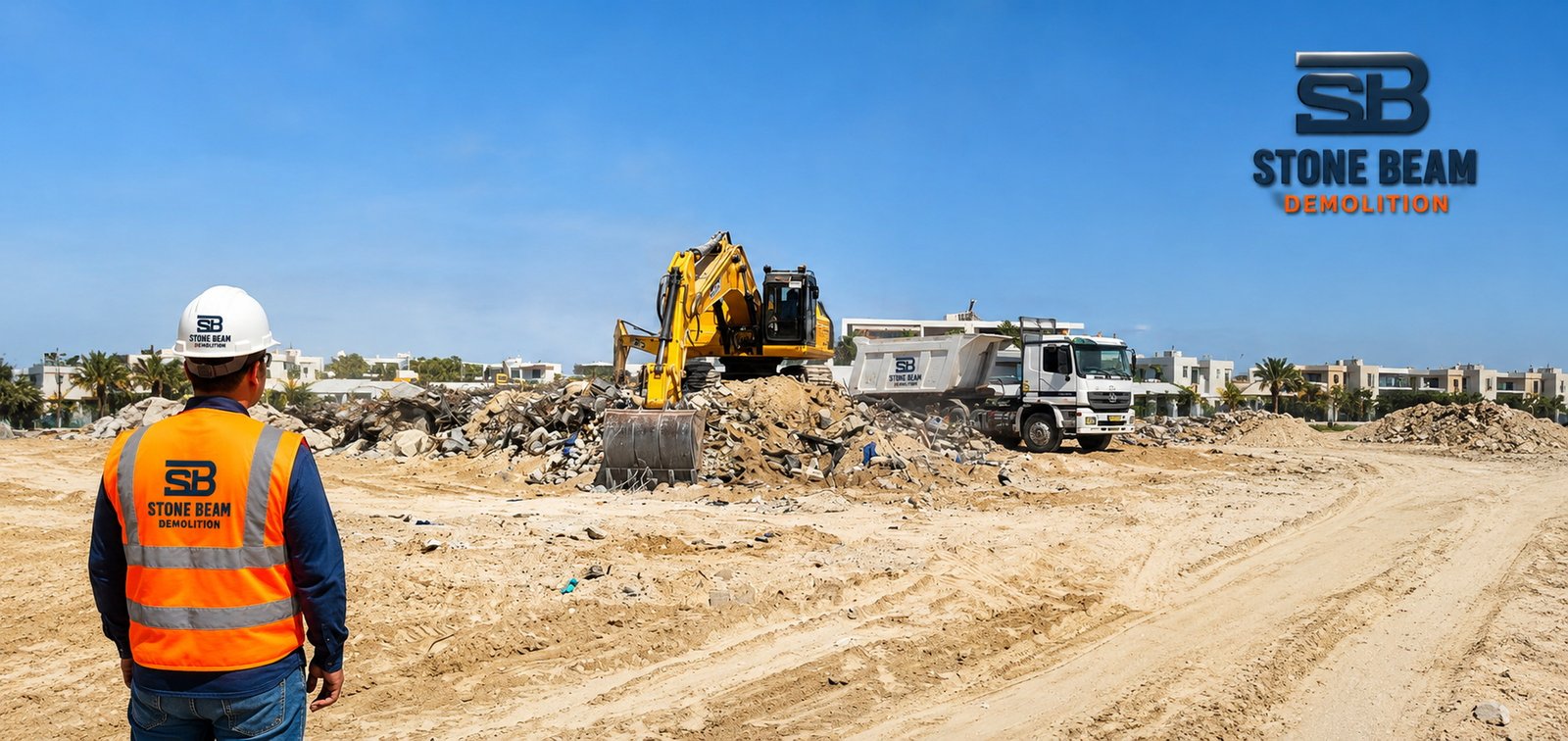
Cutting, scanning, temporary support, lifting and waste handling coordinated under one plan, not fragmented between separate contractors.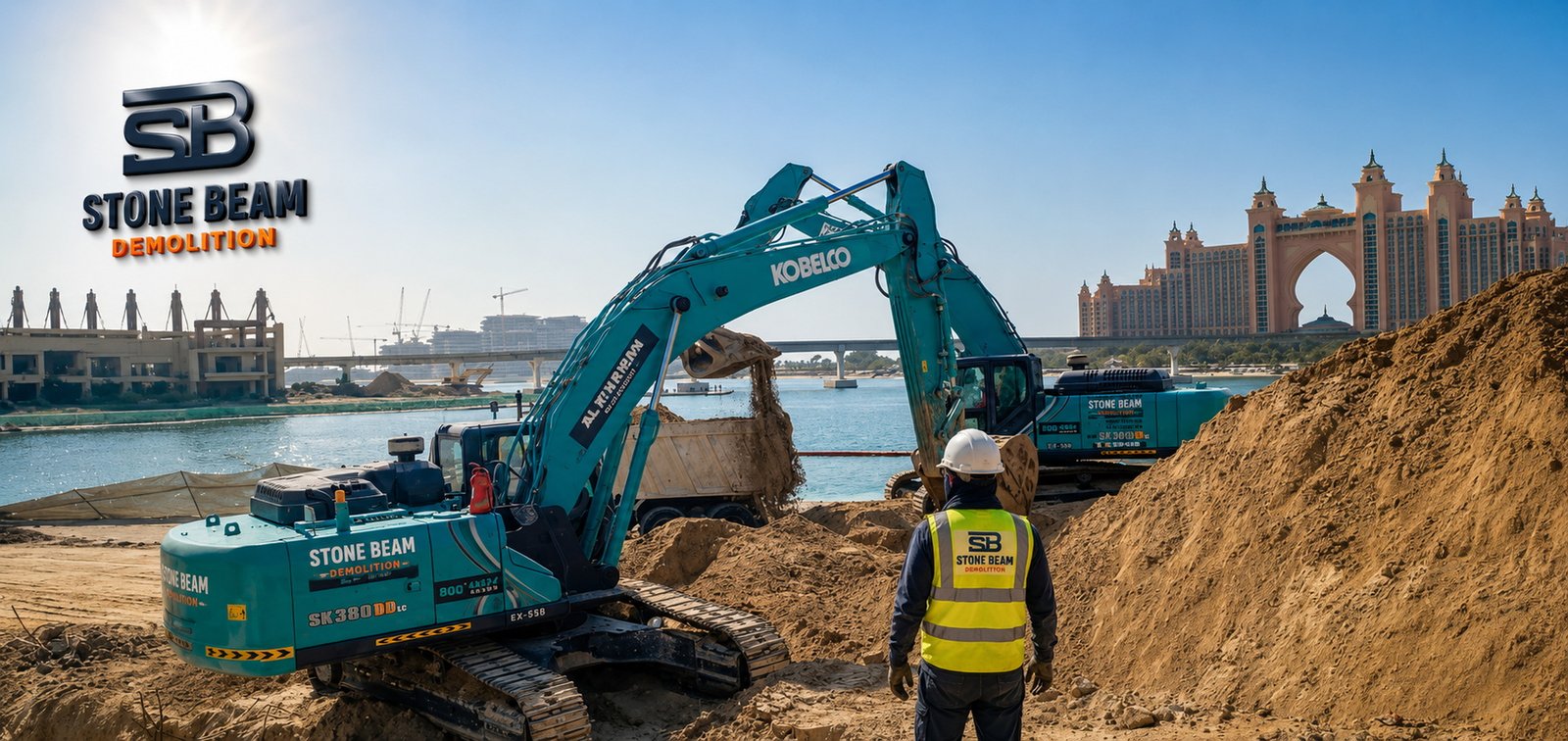
Scope, exclusions, assumptions and handover condition are stated in the quotation — not hidden inside a single lump-sum line.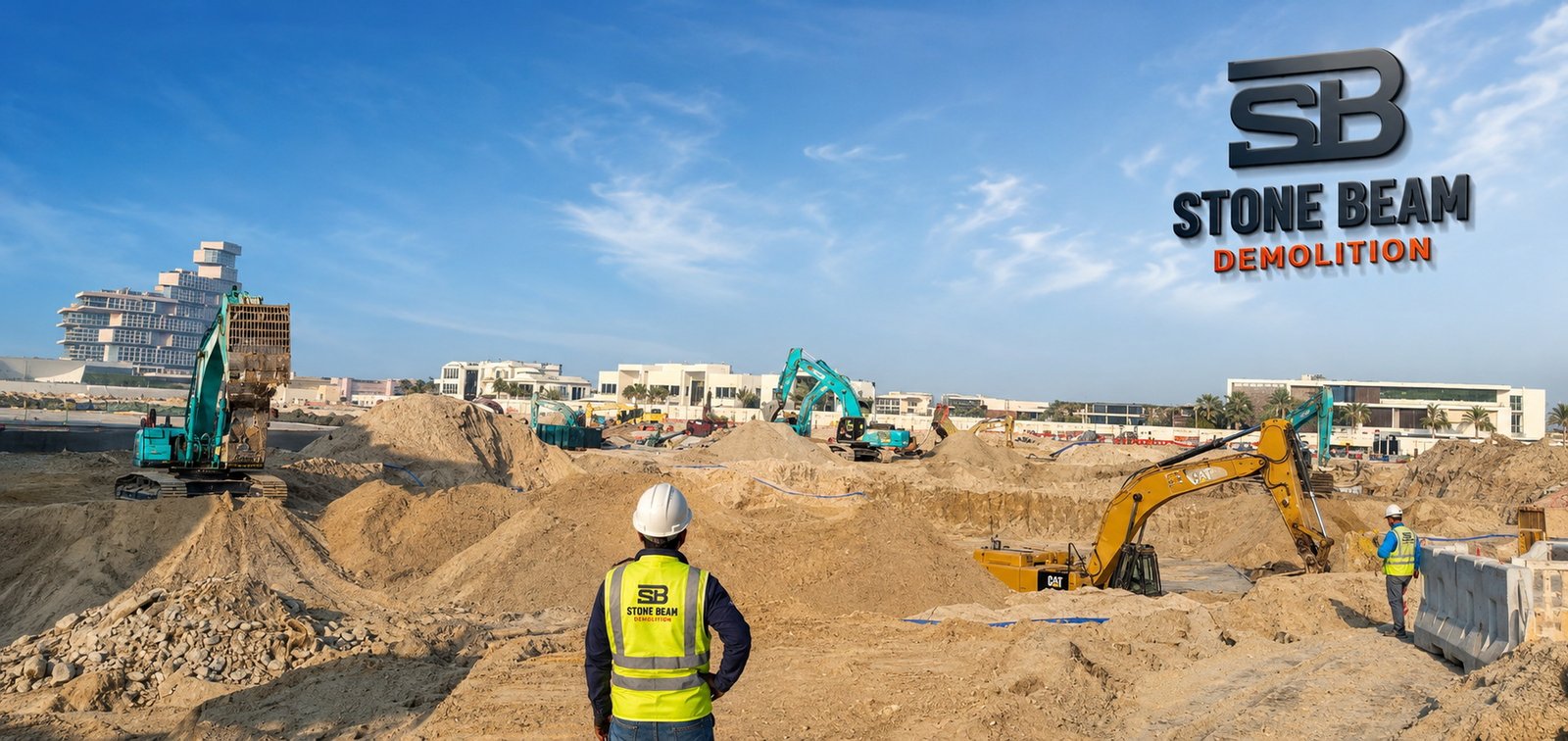
Common questions, answered straight
What consultants and developers ask before they call.
Planning, segregating, transporting and documenting demolition material flows to their authorised destination — distinct from the physical clearance of the plot.
No. Recycling depends on material type, condition, segregation and receiving-facility acceptance — the recycling percentage is reported as a measured outcome, never promised in advance.
Requirements depend on waste type, route and current authority conditions — the live tender and mobilisation review verifies what applies to the specific project.
Potentially, as a standalone waste-management scope — the responsibility matrix and site controls are agreed for that specific arrangement.
A contractual matter agreed before removal — the quotation states ownership, weighing method and any credit basis, never assumed by default.
Where scoped and permitted — crushing, screening and recycled-aggregate production belong to a dedicated C&D recycling scope, separate from this waste-management page.
Through load registers, weighbridge tickets and receiving evidence reconciled at close-out — a rate is only published where measured project data supports it.
The load stays under controlled custody, the reason is recorded, and the register is updated so the failed trip isn't counted as successful recycling — closed only once final receiving evidence arrives.
Still have questions?
