Asbestos removal, defined by role — not one company doing everything
Coordinated asbestos scope for demolition, strip-out and decommissioning projects — survey, laboratory, removal, waste and verification kept as separate, named, competent roles.
Survey · removal · verified handover

























Overview
Built around the material, its condition and the disturbance
A generic promise of "survey, removal and certificate" is not an adequate scope — the quotation states which activities are included, who performs each one, and which client, consultant or authority approvals are required.
Depending on findings and project requirements, the work package can include reviewing records and the proposed demolition/strip-out scope, coordinating a competent survey and sampling, laboratory confirmation, a marked register, removal-scope measurement, controlled removal by the appropriately authorised party, packaging and labelling, collection by an approved carrier, and agreed verification before the area is released.
Confirmation rule
A product's age, colour, texture or trade name cannot confirm its asbestos content. Confirmation depends on competent assessment and, where samples are required, suitable laboratory analysis — not a visual walk-through.
Request a demolition quote
Use this form layout on the live page to qualify leads before a call.
Triggered by records, age and disturbance — not assumed either way
An older building is not automatic proof of asbestos, and a newer date doesn't guarantee every installed or reused product is asbestos-free.
Work that opens concealed spaces — ceilings, ducts, risers, wall cavities.
Heat-resistant components and cement products from earlier construction eras.
Suspect material already disturbed by age, weather or prior uncontrolled work.
No documentation, or documentation that doesn't cover the planned depth of work.
A previous survey that didn't cover this area, or a scope change beyond its limits.
Uncovered mid-project — handled through the stop/secure/assess protocol, not guesswork.
Nine steps, from defining disturbance to releasing the area
Removal is designed from the risk assessment, not copied from a generic enclosure used on every job.
Step
1. Define disturbance
2. Confirm material
3. Allocate roles
4. Approve the method
5. Establish controlled area
6. Remove without unnecessary breakage
7. Package & label
8. Approved waste route
9. Verify & release
Six checks that close the gaps most likely to cause rework
Not a formality — this is what most often prevents uncontrolled disturbance or missing close-out evidence.
Gate question
Disturbance defined?
ACM status known?
Roles allocated?
Method task-specific?
Waste route current?
Completion defined?
Material, condition and route — not a per-m² rate
Two buildings with similar suspect material can carry very different costs depending on access, friability and disposal route.
Survey & sampling
Material type & condition
Access & interfaces
Control method
Waste & transport
Verification & records
Not a fixed rate
An itemised, project-specific quotation reflects the actual scope, system and dust-control requirement.
An engineered service, not equipment for hir
The method is selected after reviewing the structure, access, and risk — not chosen because it's the tool on the truck that day.
The method, sequence and controls are confirmed from the actual site condition before any machine or tool is mobilised.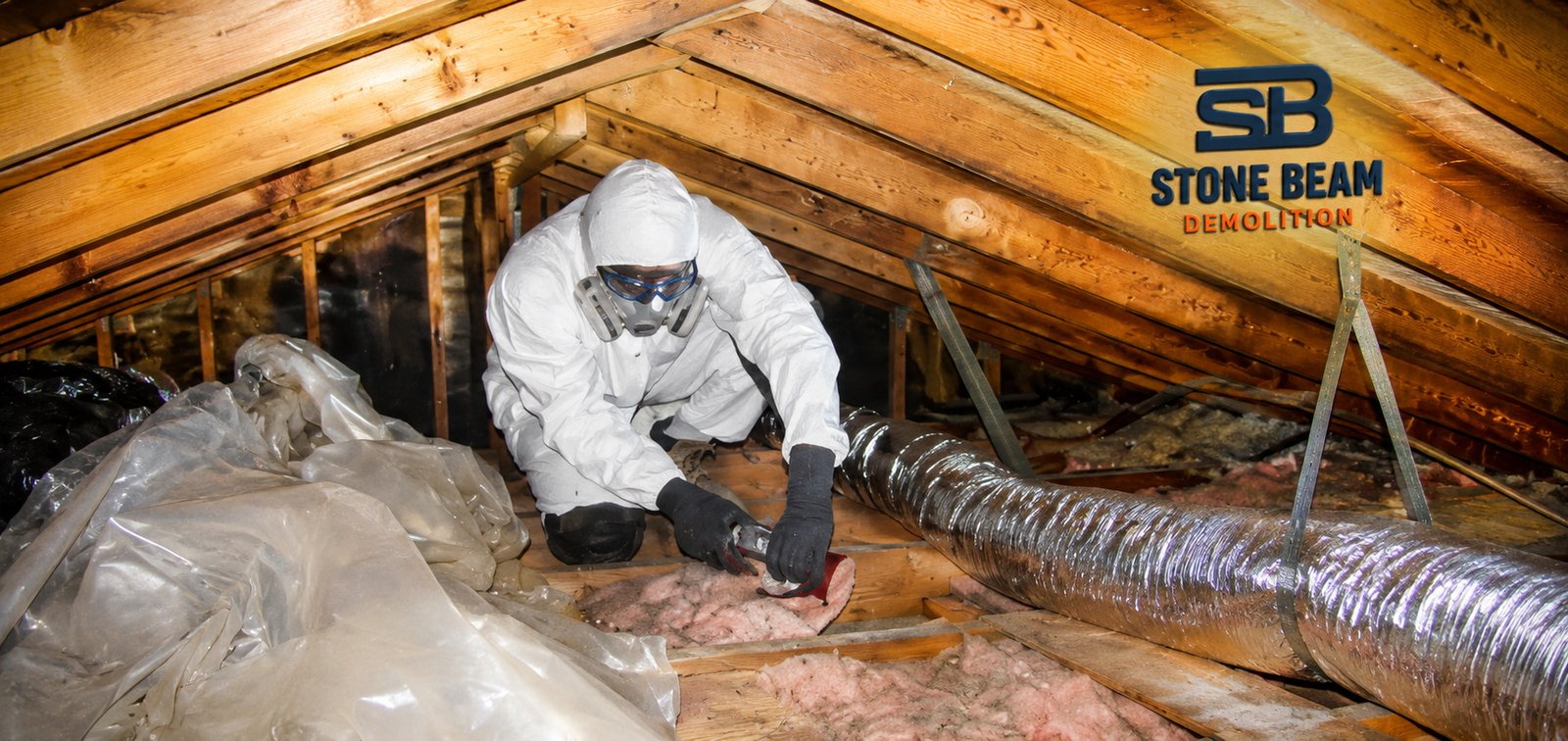
Cutting, scanning, temporary support, lifting and waste handling coordinated under one plan, not fragmented between separate contractors.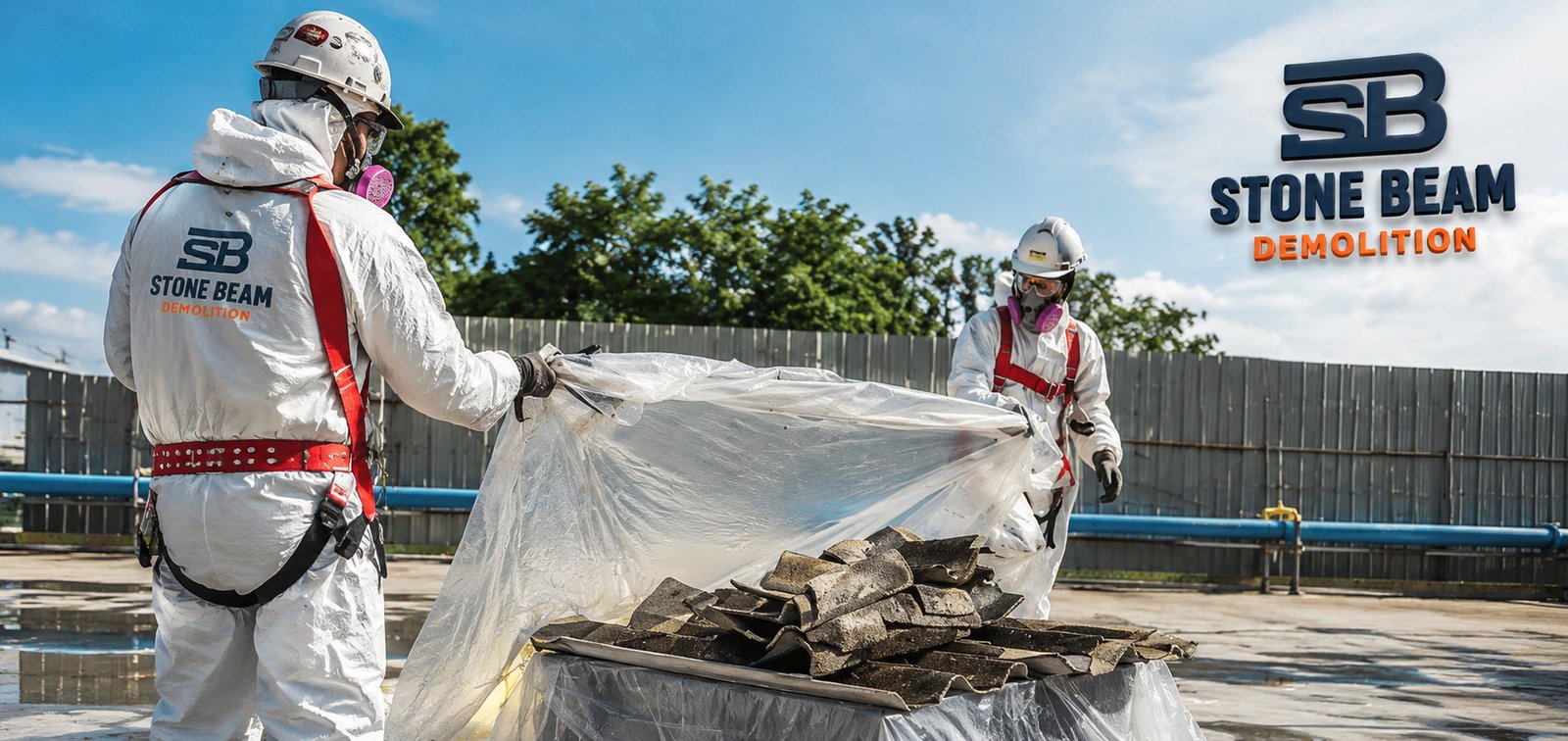
Scope, exclusions, assumptions and handover condition are stated in the quotation — not hidden inside a single lump-sum line.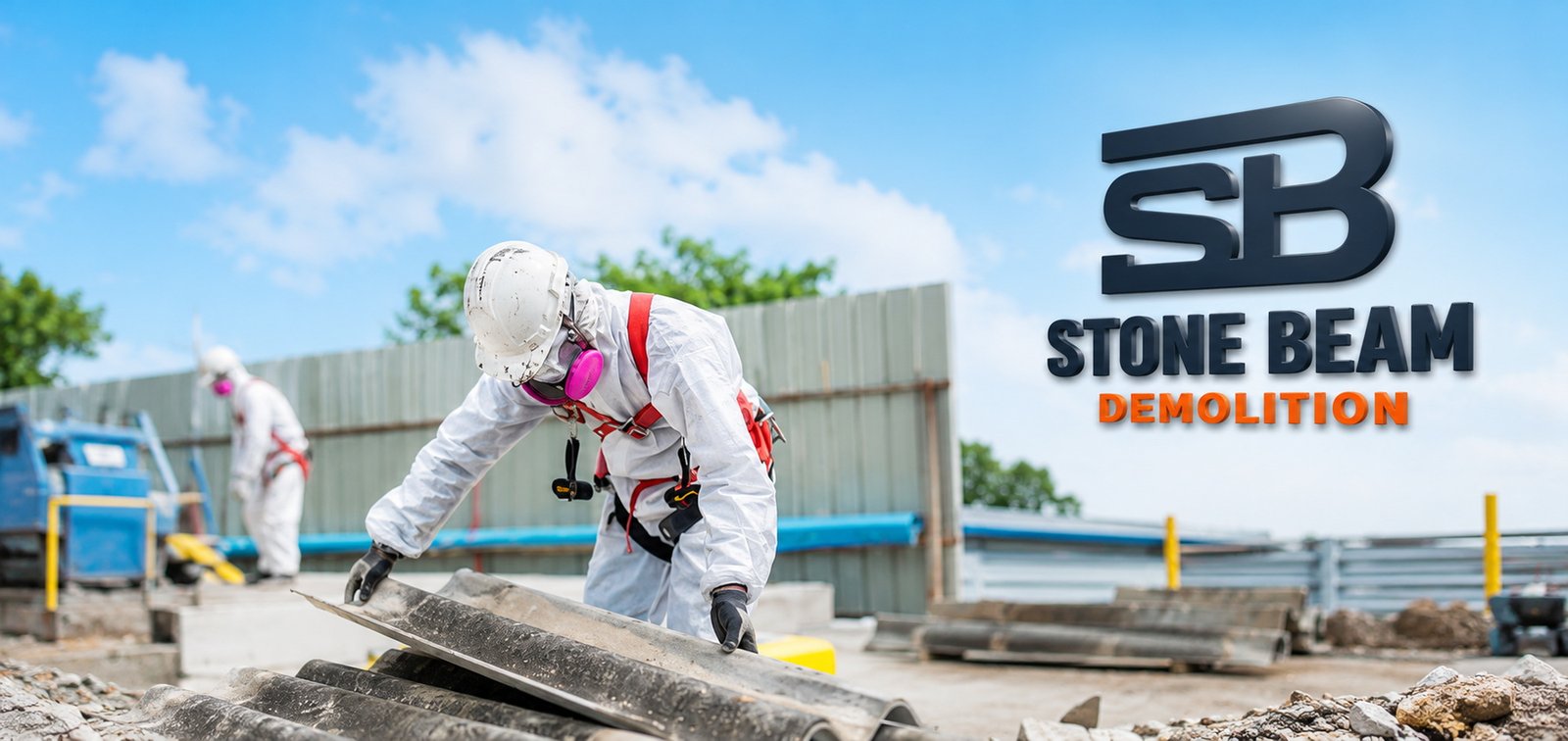
Common questions, answered straight
What building managers and fit-out contractors ask before they call.
No. Age, colour, texture or trade name can't confirm asbestos content — confirmation needs competent assessment and, where required, laboratory analysis.
No. An older building is not automatic proof, and a newer date doesn't guarantee every product is asbestos-free — the decision comes from records, the intended work and competent assessment.
Not in the affected area. Work stops on discovery, the zone is secured, and the appointed competent party assesses and, where needed, samples before the area is re-released.
No. The enclosure and pressure-control design follow the risk assessment and confirmed material — bonded and friable materials don't need the same control regime.
A currently approved hazardous-waste carrier following the authorised route — carrier approval, vehicle and receiving destination are verified at procurement and again before mobilisation.
Depending on the contract: visual inspection and cleaning records, waste quantities, transport and receiving evidence, close-out photographs, and air monitoring results where required — issued by the named competent party.
Still have questions?
