On-site crushing, tracked from feed to accepted product
Mobile crushing of suitable demolition concrete on the project site — the feed stream controlled before it enters the crusher, the output classified before it's called anything else.
Controlled feed · sizing · acceptance

























Overview
A processing line, not a machine dropped on site
A project-specific package can include pre-crushing review, source segregation, feed preparation, mobile crusher operation, reinforcement separation, screening, separate stockpiles, environmental controls and testing coordination for a specified reuse.
The quotation should state which equipment is included versus hired or third-party, who supplies fuel and water, who performs testing, who approves the output and what happens to rejected or surplus material. Crusher type, capacity and feed size aren't published as fixed figures unless the actual project plant is confirmed — the relevant planning question is what configuration can accept the project feed and produce the required output under the available site constraints.
Feed rule
If the material stream isn't clean enough to describe, it isn't clean enough to call recycled backfill without further segregation, testing and acceptance.
Request a demolition quote
Use this form layout on the live page to qualify leads before a call.
The crusher receives a controlled stream — not the demolition pile
Before material enters the crushing circuit, the project confirms what it is, where it came from and whether it suits the intended processing and reuse route.
Feed condition
Clean reinforced concrete
Dense reinforcement
Gypsum / timber / plastics
Soil-mixed rubble
Hazardous / suspect material
Unverified PT/prestressed fragments
The moment concrete leaves the crusher, it's a candidate — not a product
Its final status depends on the project specification, applicable technical requirements, contamination limits, grading, testing and acceptance. Dubai's waste bylaw requires recycled material to meet applicable technical specifications, and Dubai Municipality's Technical Guideline No. 29 requires licensed/authorised recycling activities and environmental controls for processing.
Output status
Processed / untested
Tested / pending approval
Accepted for defined use
Rejected
Surplus accepted material
A temporary processing line, not a parking space
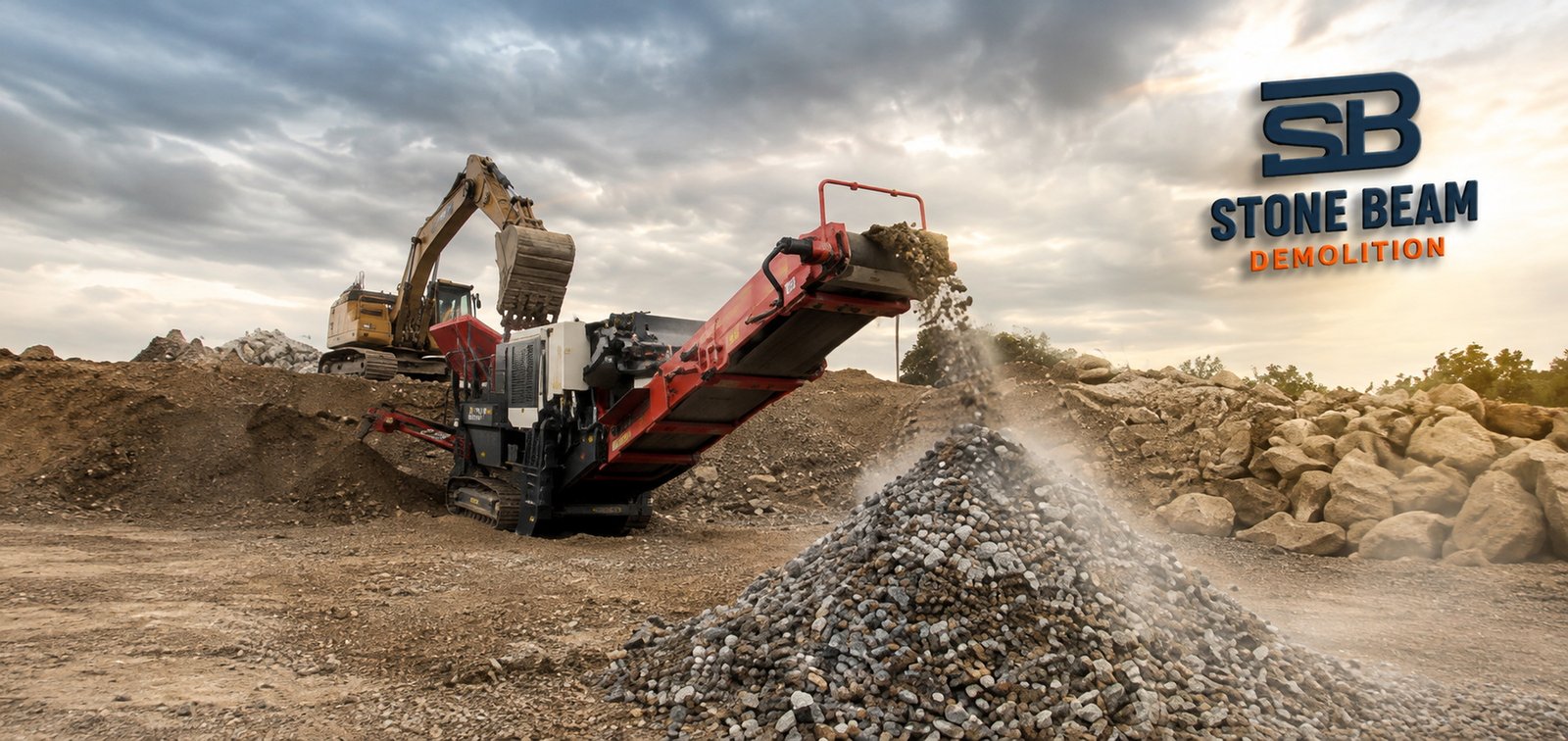
Feed movements, excavator swing, loader travel, stockpile growth and truck access can quickly conflict with demolition operations or emergency routes if the layout isn't agreed before the crusher arrives.
Stockpile separation
Access & routes
Rebar as product control
Feed quality and target output — not a flat tonnage rate
Commercial value should be measured, not assumed — scrap ownership, weighing and any credit basis are stated separately, never silently folded into the crushing price.
Feed quality & quantity
Target output & grading
Site layout & access
Metal separation
Environmental controls
Testing & acceptance
Not a fixed rate
An itemised, project-specific quotation reflects the confirmed feed, target output, layout and testing requirement — not a published tonnes-per-hour or per-tonne figure.
An engineered service, not equipment for hir
The method is selected after reviewing the structure, access, and risk — not chosen because it's the tool on the truck that day.
The method, sequence and controls are confirmed from the actual site condition before any machine or tool is mobilised.
Cutting, scanning, temporary support, lifting and waste handling coordinated under one plan, not fragmented between separate contractors.
Scope, exclusions, assumptions and handover condition are stated in the quotation — not hidden inside a single lump-sum line.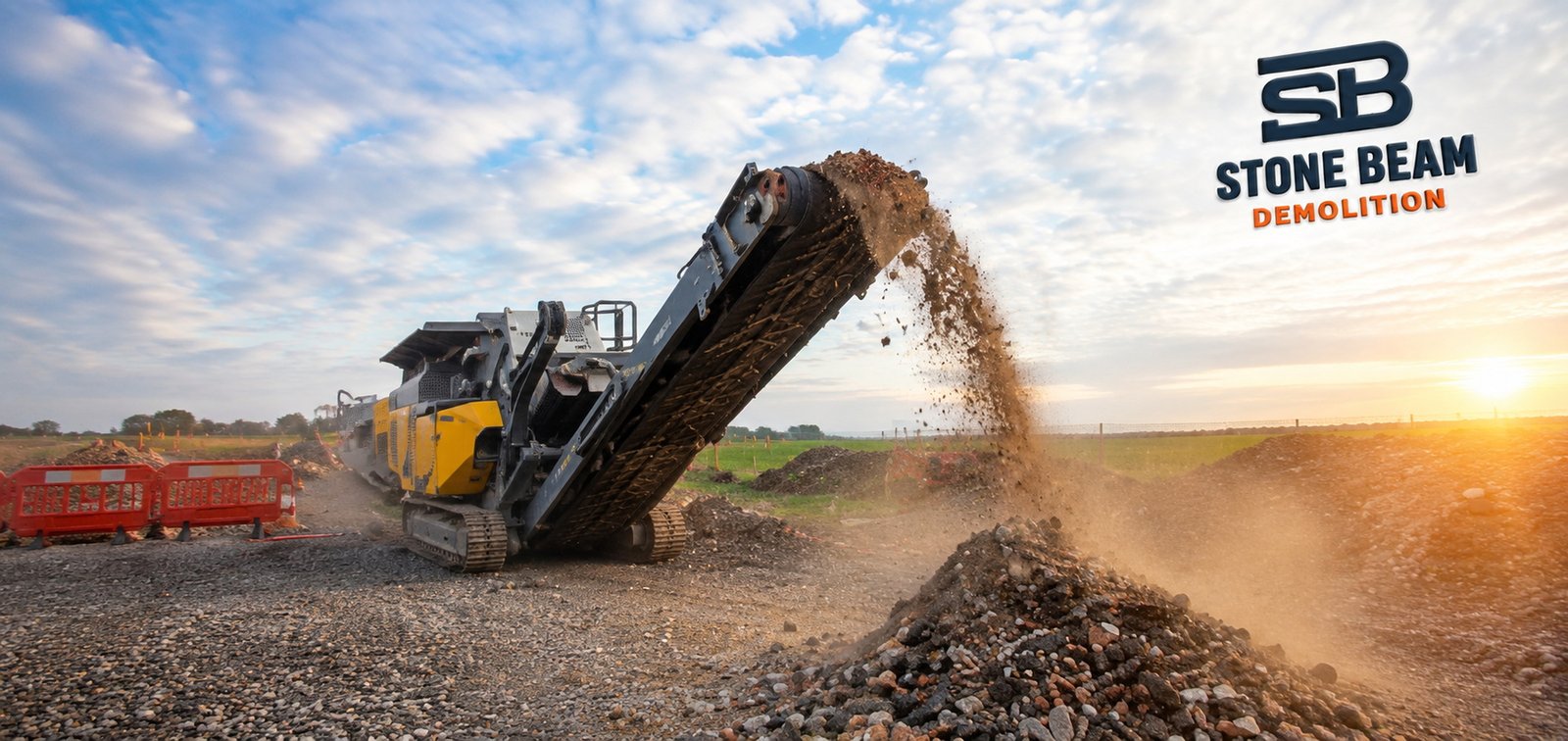
Common questions, answered straight
What developers and consultants ask before they call.
Processing suitable demolition concrete and masonry through a mobile crusher on the project site to produce a candidate processed material for reuse or recycling.
No. The feed must be controlled — gypsum, timber, hazardous material and unverified PT fragments are removed or quarantined before crushing.
Potentially, once it meets the applicable technical specification and receives Client/Consultant/authority acceptance — "crushed" alone never equals "approved backfill."
Crushing is delivered through project-specific plant arrangements confirmed for the actual scope — the quotation states whether equipment is owned, hired or third-party.
It can reduce volumes leaving site, but rejected material, recovered metal and any surplus still need an onward route and records.
Recovered through mechanical separation, magnet and manual inspection, kept outside the aggregate stockpile — ownership and any credit are stated separately in the commercial terms.
Depends on whether one broad crushed fraction is acceptable or oversize/fines must be separated for the target grading.
Enough for the crusher, feed stockpile, exclusion zone, recovered-steel area, product stockpile, rejected-material area and safe loader/truck routes — confirmed per project layout.
Still have questions?
