Backfilling & compaction, released before it's covered
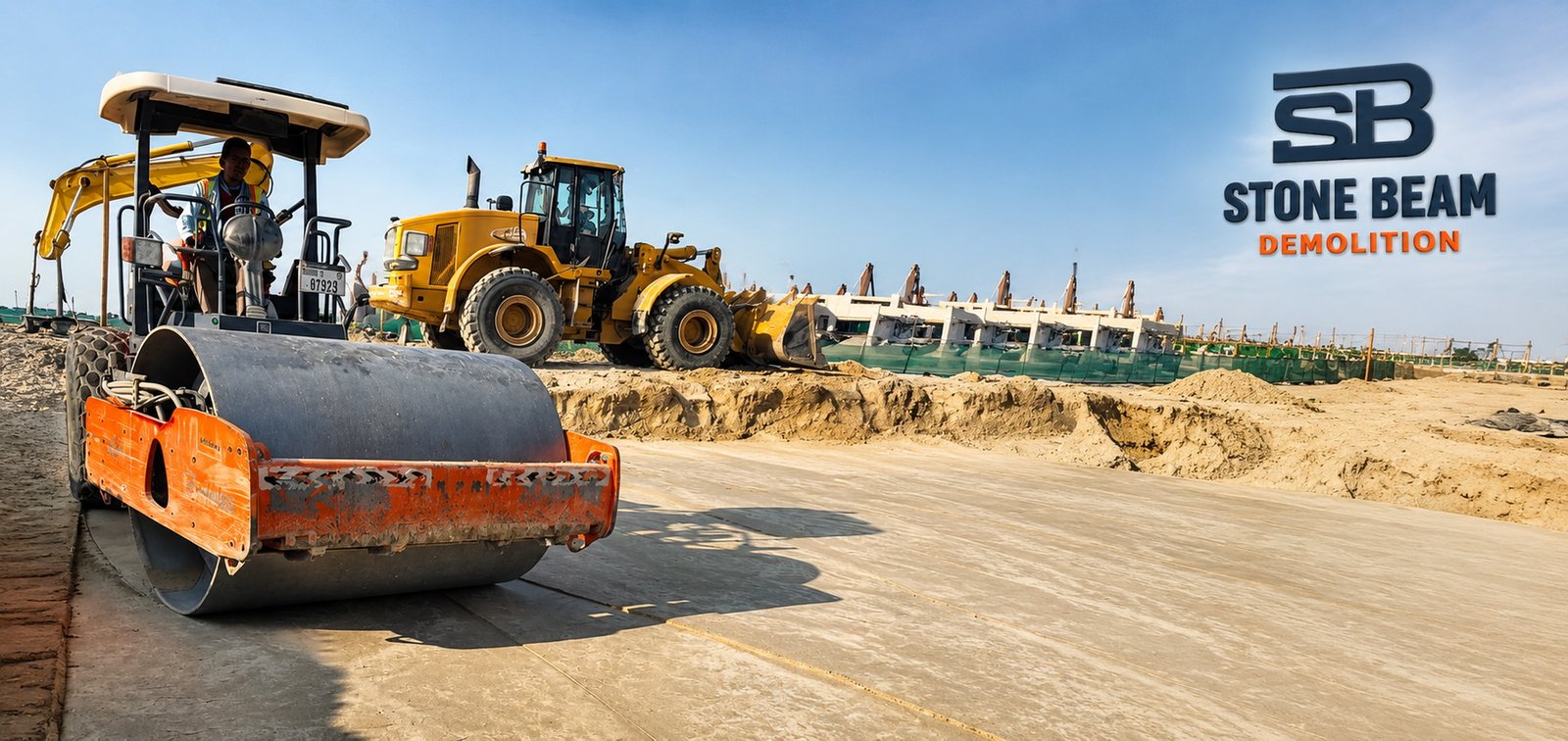
Controlled fill placement and compaction after demolition, excavation or utility works — the strongest control happens before the trucks arrive, not after the last layer is buried.
Approved fill · layers · tested density
























Overview
Placement, compaction and records — supply and testing kept explicit
The scope can include drawing/formation review, backfill-limit confirmation, controlled delivery and spreading, moisture conditioning, layer-by-layer compaction, controlled work beside sensitive interfaces, testing coordination, rework/retest handling and final survey/handover documentation.
Material supply, haulage, water, testing, survey, geotextile, ground improvement, permanent drainage, temporary works, authority fees and re-testing aren't assumed automatically — the quotation identifies which party owns each item.
Fill suitability rule
A material isn't suitable simply because it's available, inexpensive or already on site. Suitability depends on the intended zone and project specification — origin, grading, moisture behaviour and contamination all affect acceptance.
Request a demolition quote
Use this form layout on the live page to qualify leads before a call.
Six checks that keep unsuitable ground from being buried
Unsuitable ground, unresolved services or unapproved material shouldn't get buried beneath subsequent layers.
Gate
Receiving area
Structures & services
Material status
Acceptance criterion
Logistics
Hold points
Same-site origin doesn't prove suitability
Five material streams, five different acceptance paths — none automatic.
Material stream
Imported approved fill
Excavated site material
Processed demolition concrete
Mixed demolition rubble
Suspect/contaminated material
Hold points
A firm surface can hide under-compacted material below
If a loose layer is too thick for the material and equipment, the surface can appear firm while deeper material remains under-compacted. Lift thickness comes from the specification, approved method, manufacturer guidance or first-layer verification — never a generic website range.
Moisture conditioning
Plant selection
Sensitive interfaces
Material, access and testing — not a flat per-m³ rate
A density result proves the tested spot, not the whole layer — testing frequency and rework provisions factor directly into programme and cost.
Fill quantity & source
Void geometry & access
Sensitive interfaces
Testing & rework
Moisture control
Records & handover
Not a fixed rate
An itemised, project-specific quotation reflects the confirmed material, void geometry, testing regime and handover documentation.
An engineered service, not equipment for hir
The method is selected after reviewing the structure, access, and risk — not chosen because it's the tool on the truck that day.
The method, sequence and controls are confirmed from the actual site condition before any machine or tool is mobilised.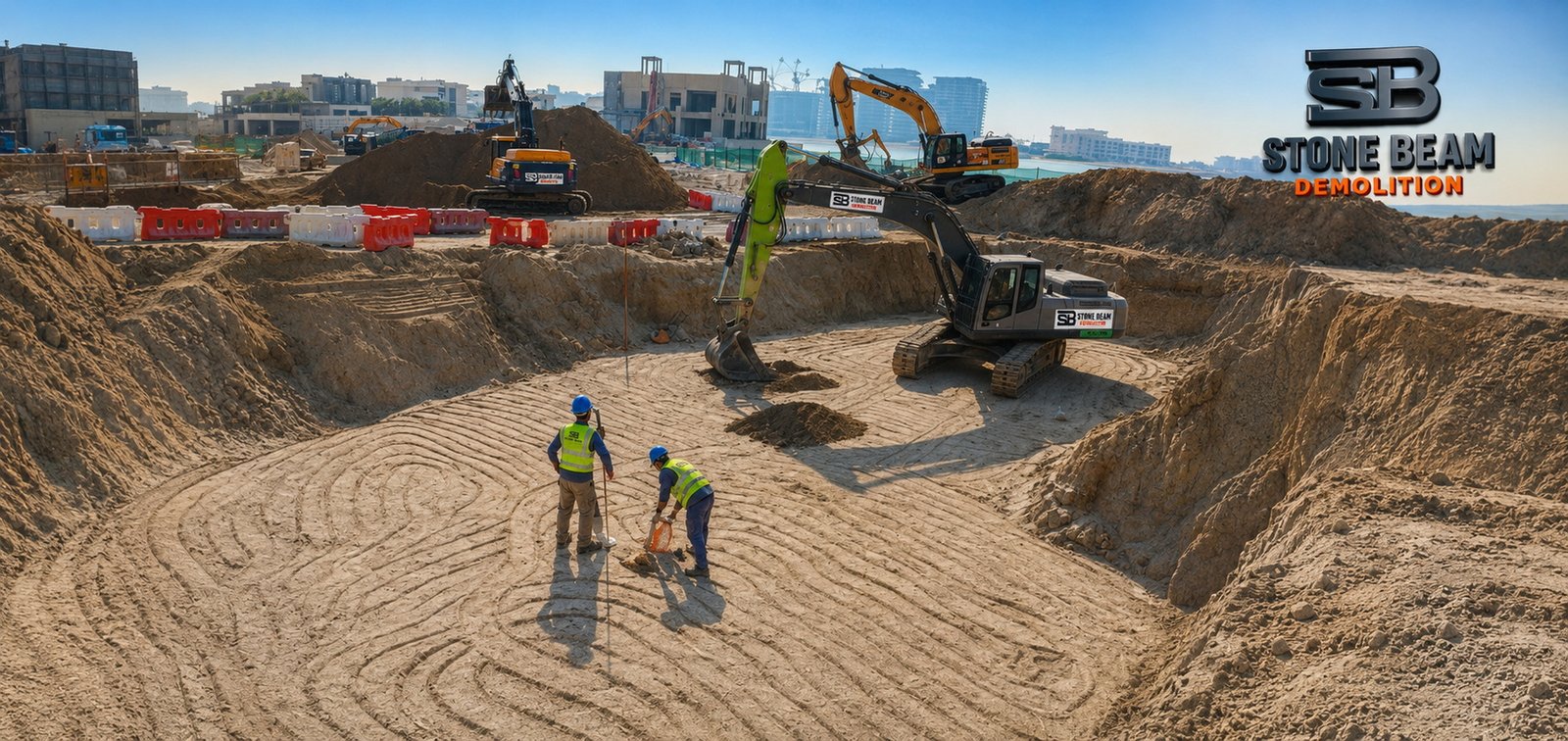
Cutting, scanning, temporary support, lifting and waste handling coordinated under one plan, not fragmented between separate contractors.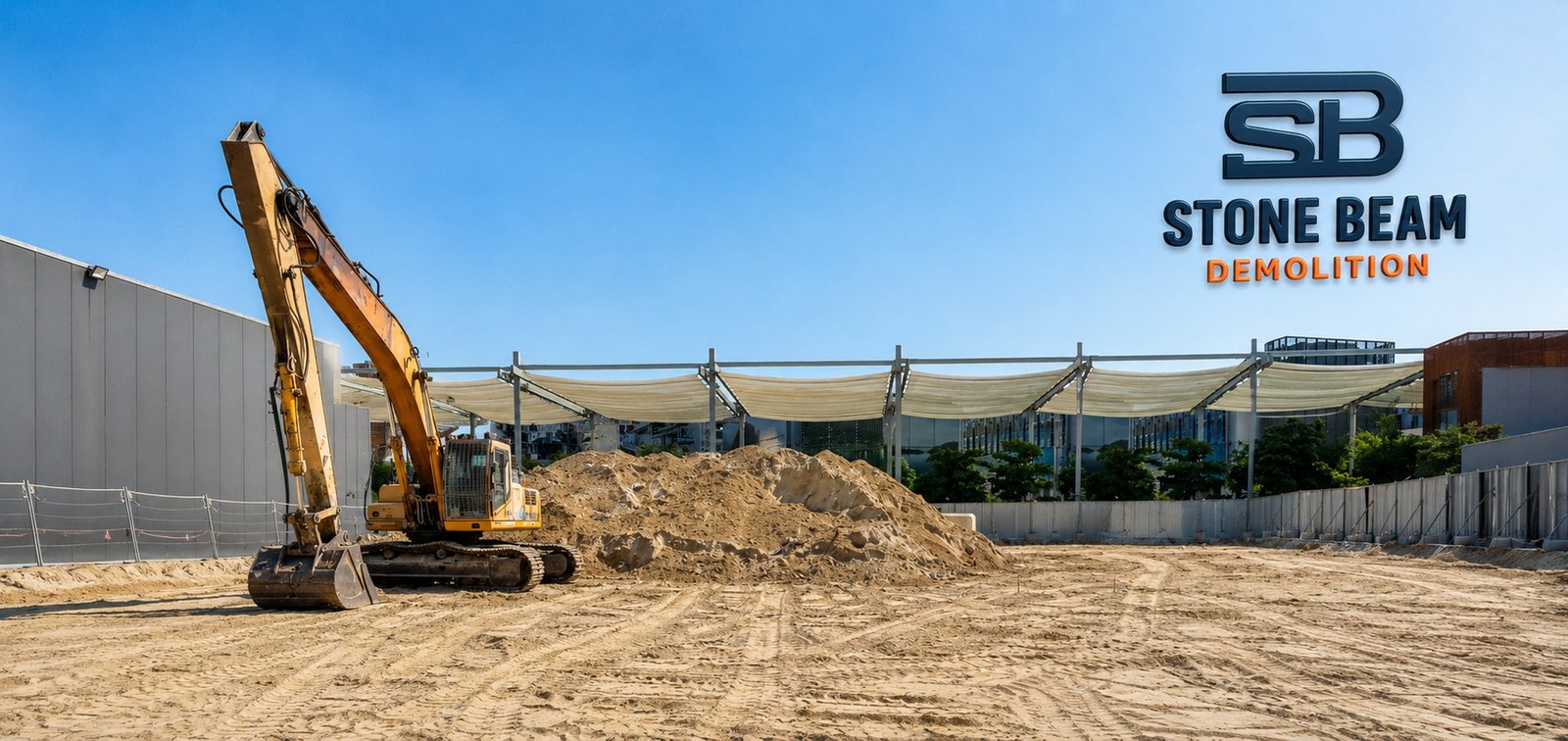
Scope, exclusions, assumptions and handover condition are stated in the quotation — not hidden inside a single lump-sum line.
Common questions, answered straight
What contractors and consultants ask before they call.
Controlled fill placement, moisture conditioning, layer-by-layer compaction and testing coordination — material supply, haulage and laboratory testing are stated separately unless expressly included.
Potentially, if segregated and shown suitable for the intended zone — same-site origin alone doesn't prove suitability.
Only for defined non-structural uses after controlled crushing and project acceptance — never automatically approved backfill or sub-base.
Set by the project specification and reference method — never a generic "95%" figure applied without the specified test method, frequency and acceptance party.
No. A density result proves the tested location, not automatically the entire lift — test frequency and coverage are set by the project procedure.
Only with stand-off, sequence and method confirmed by the issued design and responsible engineer — never assumed safe by default near sensitive structures.
The area is reworked and retested per the project non-conformance procedure — it isn't covered or built upon until it passes.
From the specification, approved method, manufacturer guidance or first-layer verification — specific to the material and plant, not a generic range.
Still have questions?
